Outside the algorithm
The flagship. Alternative selections for people who have had enough of Spotify's taste.
A loose collective of curators
Rebel Groove Collective makes playlists with character, pressure, humour and nerve, then refreshes most of them by hand every single day. You find the set that fits how you live, and you trust that whatever you press play on next was put there for a reason.
Live now
The flagship. Alternative selections for people who have had enough of Spotify's taste.

A 126 BPM running engine, shaped around 36 track positions, freshened constantly.

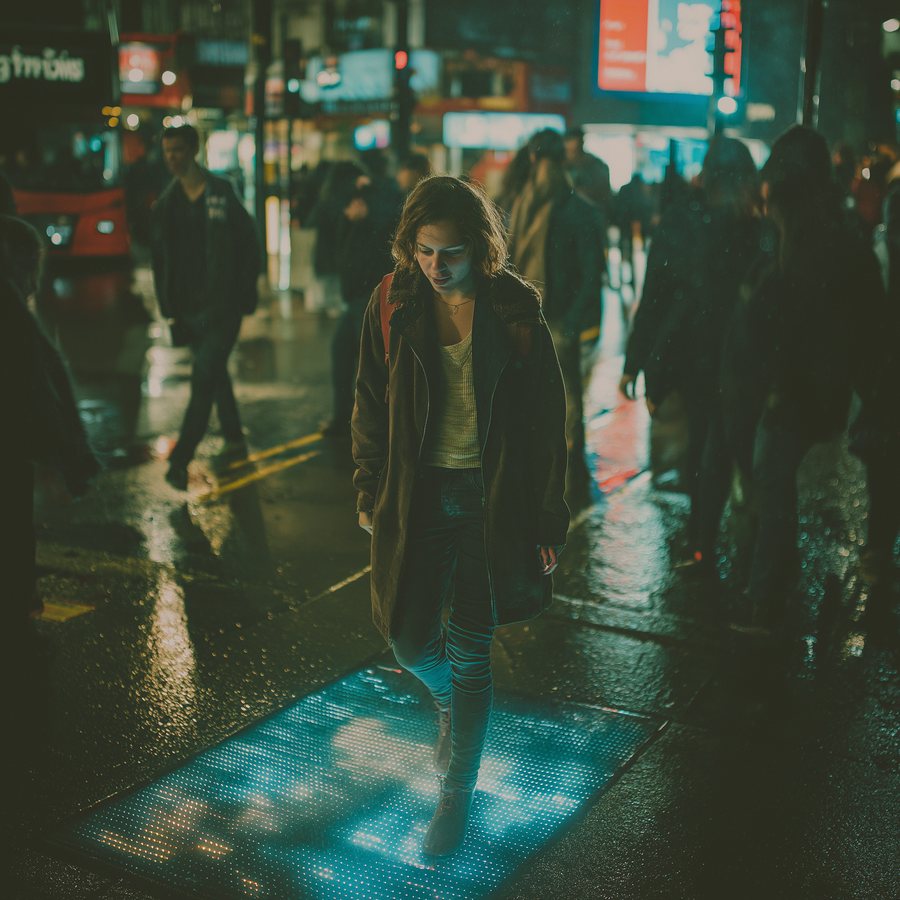
Immediate night-out energy. Familiar enough to move you, bold enough to start trouble.
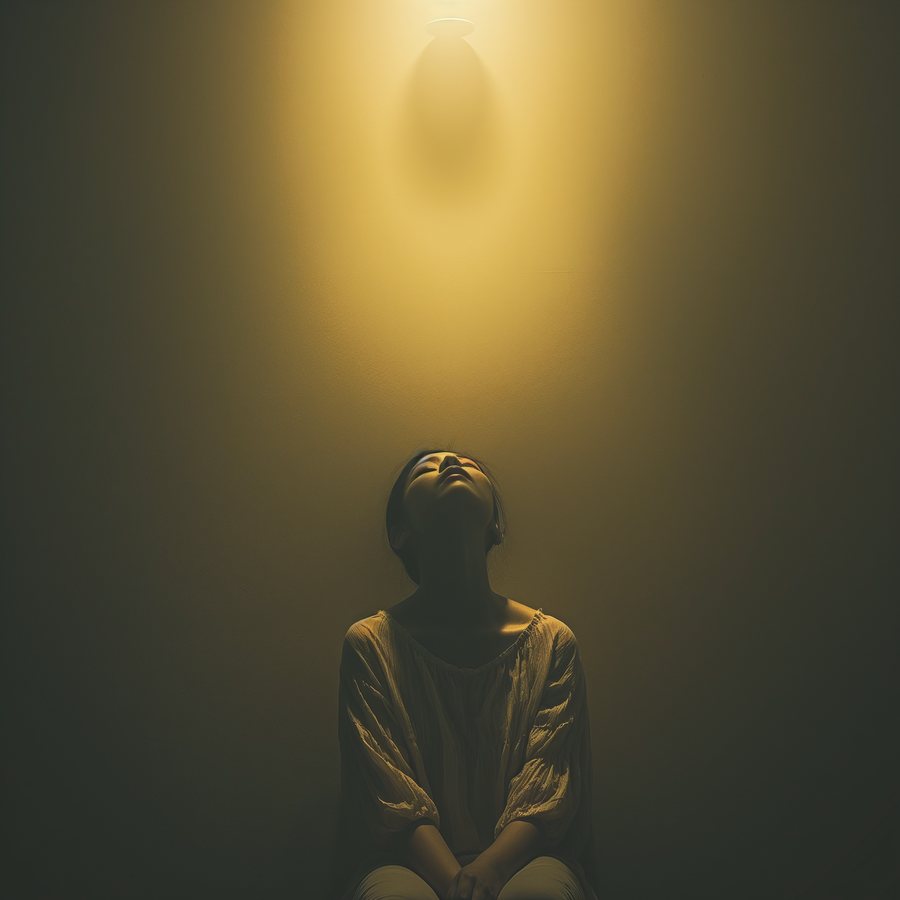
A controlled state of calm, held just above silence.
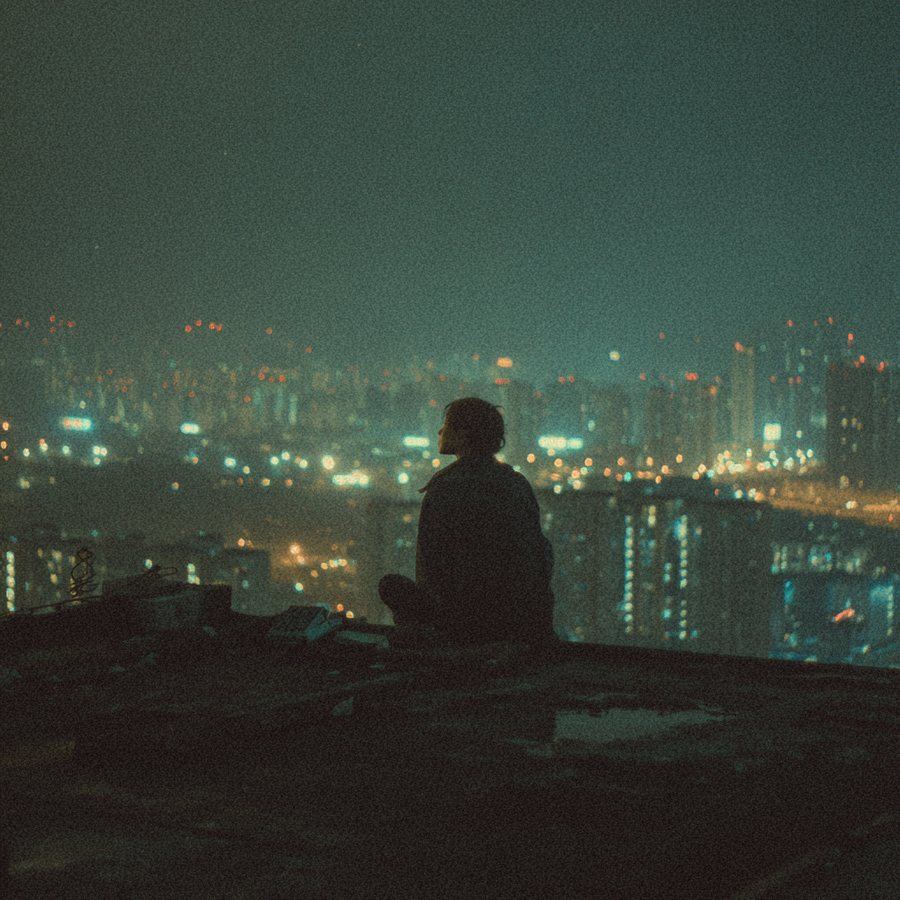
Calm music with a little edge, for people who find switching off difficult.
Low-lit music for late evening decompression, night driving, and the small hours after everyone else has gone to bed.
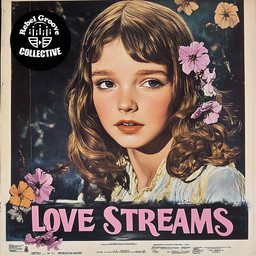
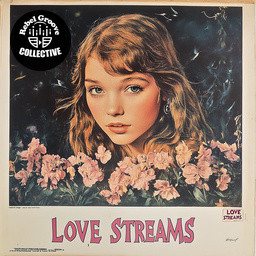
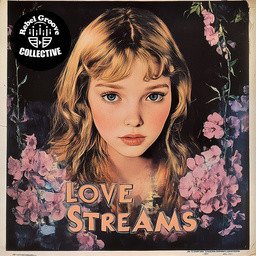
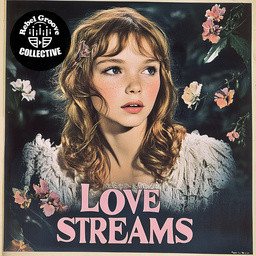
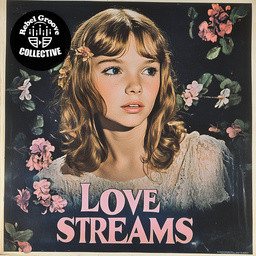
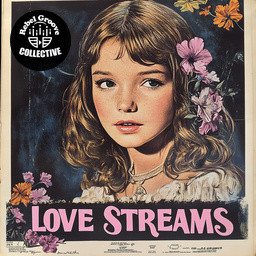
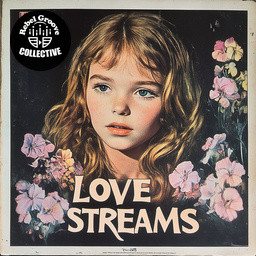
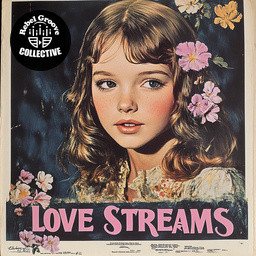
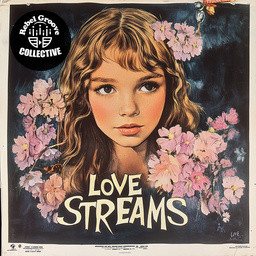
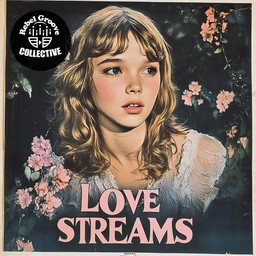
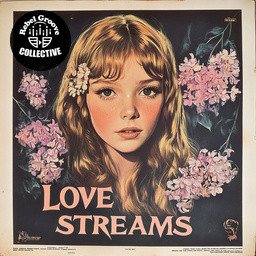
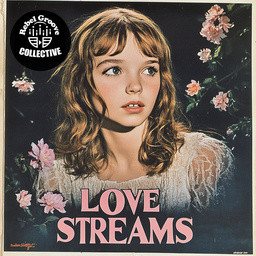
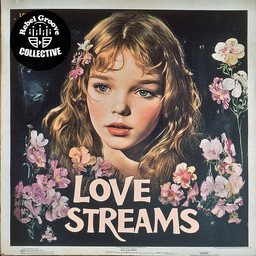
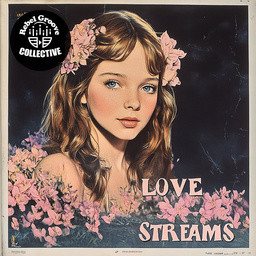
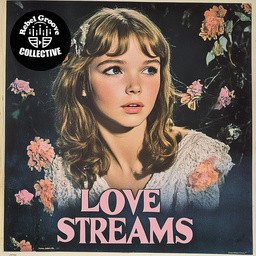
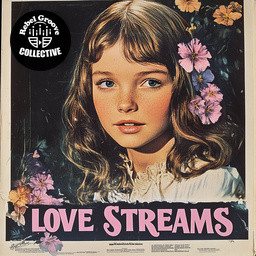
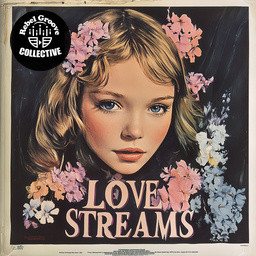
The first live chapter of Love Streams: a 40-playlist arc across the whole experience of love.
I am so glad to be in this relationship that I have lost all sense of the anxious before and the entropic catastrophe to come. Updates daily!
The promise
Most playlists are set once and left to rot. Ours are tended. The curators update the bulk of the catalogue every single day: adding, cutting, resequencing, keeping each one true to its job while its contents keep moving. The two weekend playlists, 1/4200 and 0/4200, refresh at the weekend, when you actually reach for them.
If you come back to something here, it should still work. That is the whole deal.
Every playlist tries to do one specific thing and does it properly. If it needs tightening, it gets tightened. If it needs rotating, it rotates.
We draw from a hundred years of recorded music, chosen for effect rather than era or genre loyalty. What matters is what it does to you when it arrives.
The only listener that counts is the human one. We put the musicians ahead of the AI queue and stay vigilant about wholly synthetic work.
Each curator has total freedom over their own playlists. The centre stays administrative: shipping the changes, answering the email, settling the arguments.
The thing at the centre
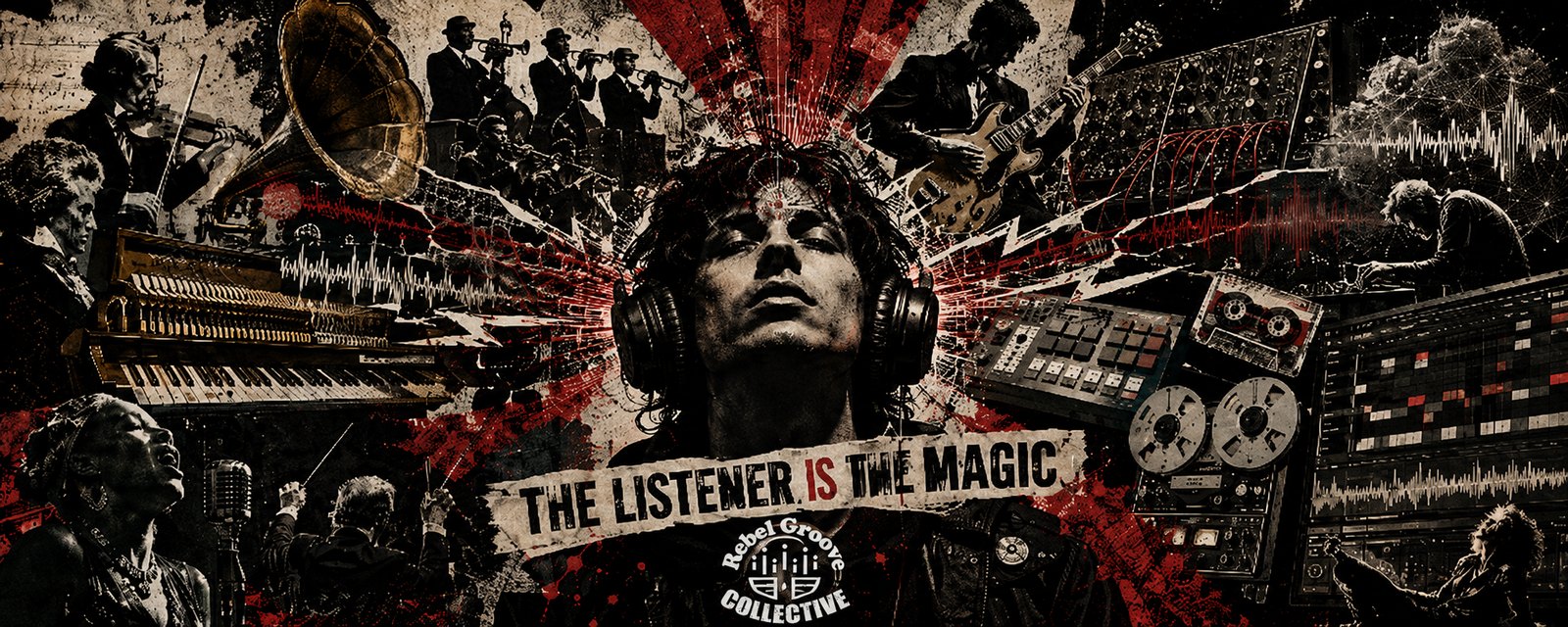
Never forget that the act of listening is the magic ingredient to music. Without a living, breathing listener to experience music, it is all just so many frequencies and bleeps rattled out more or less cleverly on a bunch of boxes. But to listen to musicians blow their own horn, to their sometimes mystical self-justifications, quasi-Schopenhauerian artistic pretensions, their deluded ramblings about what are in effect about 40 or so diatonic harmonic structures, repeated again and again as if original, a million times over for the last 100 years, becomes in the end repulsive.
At a rough approximation, 0% of the musicians you listen to are original. Exceptions include, among others, Schoenberg, Armstrong, LaMonte Young, some unnamed Shaolin monk, Guido of Arezzo, King Tubby, JS Bach, the first bone flute player, the first documenter of Vedic chants, Delia Derbyshire, Fela Kuti. Maybe Paganini on violin. But note how tied great performative innovators are with the material technology of music making. Notice also how biased we will forever be to the 1928 to 2023 pre-AI recorded music period. You do not get violin virtuosi unless the material means of production births a Stradivarius. The technological innovation in a sense permits or creates the virtuoso.
The capitalist system which takes synthesiser technology and makes it affordable to unemployed men and women in 1970s Germany and 1980s Britain is a prerequisite for the post-punk synth revolution. The musicians who get the kudos then just happen to have been born at the right time to start twiddling those synth patch knobs and LFOs. It was considered a creative time largely because of the material means of technological production. The industrialisation which results in the cheap mass production of electric guitars enables Buddy Holly and the Beatles. The cost inefficiencies of the big bands of the 1940s lead to a Count Basie band becoming a Louis Jordan band becoming a Muddy Waters band becoming the Rolling Stones becoming Radiohead. They are all embedded in a musical technological transformation.
All those musicians, dear listener, feel the music in precisely the same way as you.
As material technology made the instruments of music more performative and more affordable, and therefore present, the double-escapement action, the iron frame, the sustain pedal, the hammer mechanism, we see it give birth to Liszt, Chopin, right the way up to Rachmaninov, Argerich, Tatum. And with virtuosity came the ambition of composers to challenge those virtuosi. They are not channelling some Schopenhauerian noumenal back door. They may perhaps have more developed bodily listening feelings, more singular dedication, digital dexterity, motivation. But they are playing because they listen, just as you listen. They are fundamentally listeners, with grandiose self-delusions around the act of making music.
To give you a feel for how self-deluded musicians and producers can be, listen to any episode of Tape Notes and marvel as these earnest musicians wax lyrical about the skills they think they are bringing uniquely to bear on their mostly undistinguished music. Part of a musician's job, in a way, is to confect this illusion of musical persona. It serves merely as a marketing device, in the end, a way of capturing a certain demographic.
No matter what a musician says they are doing, what they are really doing is mostly just what you and I are doing: listening, imbuing and enriching those sounds with meaning, memory, context, personal story. The same is so with lyrics. We get an occasional Sappho, Dylan, Dory Previn, Robert Johnson, John Lennon, Stephen Sondheim, Hank Williams who can rightly lay claim to pushing the artistry of lyric writing. But at a rough approximation, 100% of the music you have heard is languishing in clusters around shallow ports, waiting for some tourists to hop on board and animate the whole experience.
Whether you make music or not, if it were not for you, dear listener, imbuing that aural experience with human context, at scale, in a way which falteringly rewards musicians, there would be nothing to see here. The experience of listening to music, of finding one's body moving to it and experiencing that movement, is the magical centre of music. No AI can ever feel that.
First we killed the drummer, and this did not stop us investing meaning, joy and private love in electronic music. Then we invented auto-tune to fix the singer, and we still dearly love auto-tuned songs. MIDI note editing, the same. Now AI is nipping at the heels of ambient music as an entire genre. So it will go on with music technology, improving the means of production, broadening its access, trivialising its production. But always and everywhere, we listeners love music because of the rich and creative act of listening, of bringing it into our phenomenal experience, of burning our memories into it, of cherishing it. That bit will never change.
So be proud as a music listener. That is the true creative act of music, and always it will be so.
In the workshop
The Love Streams arc and more, in their final stretch of curation. When one is ready, it goes live.

If something lands, keep it. If it does not, leave it. But if you come back, it should be because you trust what we put there next.